Candidates Who Won In Challenging Political Environments
Andy Beshear
Abigail Spanberger
Andy Beshear

Andy Beshear’s repeated victories as a Democratic governor in Kentucky — a state that has voted consistently Republican in presidential elections — stand as one of the most notable contemporary examples of local, pragmatic politics triumphing over hyper-nationalized partisanship. First elected in 2019 in one of the closest statewide races in Kentucky history, and re-elected in 2023 by a comfortable margin, Beshear’s success reflects his ability to speak directly to voters’ everyday concerns and deliver results in a political environment that typically favors Republicans. His leadership emphasizes problem solving, authentic communication, and a focus on common challenges rather than ideological battles. LEARN MORE
Mary Peltola
Abigail Spanberger
Andy Beshear
Mary Peltola became the first Democrat elected statewide in Alaska in nearly 50 years by running a campaign grounded in community legitimacy rather than ideology. A Yup’ik Alaska Native with deep experience in fisheries and rural governance, Peltola spoke directly to the realities of subsistence life, resource stewardship, and high-cost rural living. She avoided national partisan framing, emphasized cooperation and respect, and built trust across cultural and political lines. In a ranked-choice system that rewards broad acceptability, her relational style and local fluency allowed conservative and independent voters to support her without cultural or ideological friction. LEARN MORE
Abigail Spanberger
Abigail Spanberger
Abigail Spanberger
Abigail Spanberger represents one of Virginia’s most politically competitive districts by running a campaign grounded in competence, accountability, and respect for voters rather than ideological identity. A former CIA operations officer and federal law-enforcement professional, she projects seriousness and operational credibility. Her messaging avoids partisan escalation, focuses on affordability, public safety, and government effectiveness, and openly challenges her own party when national messaging drifts from voter reality. Through consistent constituent engagement and disciplined communication, Spanberger builds trust across independents and moderate Republicans — demonstrating how credibility and execution can outperform polarization in swing territory. LEARN MORE
Mikie Sherrill
Elissa Slotkin
Abigail Spanberger
Mikie Sherrill represents a suburban New Jersey district long held by Republicans by running a campaign grounded in competence, security credibility, and disciplined problem-solving rather than ideology. A former Navy helicopter pilot and federal prosecutor, she projects seriousness, accountability, and operational reliability. Her messaging focuses on affordability, infrastructure, public safety, and ethical governance — avoiding partisan escalation and cultural signaling. Through visible constituent engagement and steady leadership, Sherrill earns trust across independents and moderate Republicans. Her model demonstrates how credibility and service orientation can sustain Democratic success in competitive suburban terrain. LEARN MORE
Elissa Slotkin
Elissa Slotkin
Elissa Slotkin
Elissa Slotkin has repeatedly won in Michigan’s most competitive districts by projecting seriousness, competence, and independence rather than ideological identity. A former CIA analyst and Pentagon leader, she brings national-security credibility while translating policy into real household impacts — energy costs, manufacturing jobs, supply chains, and affordability. Her disciplined messaging avoids partisan escalation and respects voter intelligence. Through visible engagement with workers, veterans, and small businesses, Slotkin builds trust across independents and moderate Republicans. Her model shows how credibility, economic realism, and calm leadership can sustain Democratic wins in economically transitional swing regions. LEARN MORE
Roy Cooper
Elissa Slotkin
Elissa Slotkin
Roy Cooper has twice won statewide office in North Carolina — even as the state voted Republican for president — by governing with restraint, competence, and steady institutional leadership. Rather than engaging in partisan escalation, Cooper emphasizes public safety, economic stability, lawful governance, and transparent crisis management. His calm communication during natural disasters and the pandemic reinforced trust across political lines. By framing leadership as responsibility rather than ideology, Cooper gives independent and moderate voters permission to separate state governance from national politics. His model demonstrates how executive credibility and tone discipline can stabilize Democratic performance in polarized environments . LEARN MORE
Mark Kelly
James Talarico
James Talarico
Mark Kelly has repeatedly won statewide office in Arizona by grounding his leadership in personal credibility and operational seriousness rather than partisan identity. A retired Navy combat pilot and NASA astronaut, Kelly projects calm, responsibility, and competence under pressure. His messaging avoids ideological escalation, focuses on safety, affordability, water security, veterans’ issues, and long-term stability, and emphasizes bipartisan problem solving. By presenting politics as stewardship rather than performance, Kelly gives independents and moderate Republicans permission to support a Democrat based on trust and results. His model demonstrates how lived credibility can sustain success in highly competitive statewide environments. LEARN MORE
James Talarico
James Talarico
James Talarico
James Talarico has repeatedly won elections in a conservative Texas legislative district by grounding his campaign in shared moral language, personal authenticity, and deep community relationships rather than partisan branding. A former public school teacher and Harvard Divinity School graduate, Talarico speaks fluently about faith, responsibility, compassion, and service in ways that resonate with religious voters while remaining inclusive. His messaging avoids cultural warfare and ideological escalation, framing politics as moral stewardship rather than partisan combat. By lowering emotional defensiveness and building trust through relational presence, Talarico demonstrates how ethical coherence and cultural fluency can expand Democratic coalitions even in deeply conservative environments. LEARN MORE
Colin Allred
James Talarico
Colin Allred flipped and held a historically Republican suburban district in the Dallas–Fort Worth metroplex by projecting seriousness, competence, and respect for diverse viewpoints rather than partisan identity. A former NFL linebacker and civil rights attorney, Allred emphasizes practical problem solving on healthcare affordability, transportation infrastructure, veterans’ support, and constituent services. His calm, disciplined tone avoids ideological escalation and reassures moderate and independent voters seeking stability over political conflict. By treating representation as stewardship rather than performance, Allred demonstrates how suburban credibility and behavioral independence can expand Democratic coalitions in rapidly changing metropolitan districts. LEARN MORE
Don David
Tom Suozzi
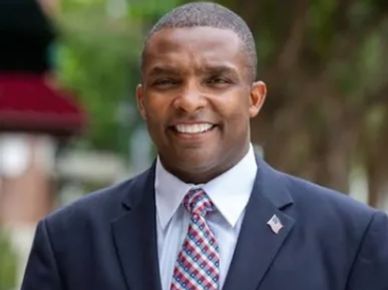
Don Davis holds one of the most competitive congressional seats in the country: a rural eastern North Carolina district that leans Republican at the presidential level and has been rated a toss-up in every cycle he has run. Davis wins not through ideological positioning, but through military credibility, economic authenticity, and deep local roots. A former Air Force officer, state senator, and small-town mayor, he speaks directly to the concerns of farmers, veterans, and working families across a predominantly rural district. His campaigns focus on agricultural stability, veterans' services, and practical economic investment, avoiding partisan escalation while maintaining consistent presence on the ground. Davis's record offers a replicable model for holding competitive rural seats through service, trust, and local legitimacy. Learn more.
Tom Suozzi
Tom Suozzi
Tom Suozzi
Tom Suozzi holds a suburban New York district that Donald Trump carried, making him one of only two Democrats in 2026 to represent a House seat the president won. A former county executive and mayor, Suozzi runs explicitly against the national Democratic brand, centering his campaigns on public safety, affordability, and fiscal discipline rather than ideological signaling. He challenges his own party openly when its messaging drifts from voter reality, and frames politics as practical governance rather than cultural combat. His willingness to distance himself from progressive national politics gives independents and moderate Republicans permission to support a Democrat on the merits. Suozzi's model demonstrates how credibility and economic realism can sustain Democratic viability in competitive suburban and outer-borough environments. Learn more.